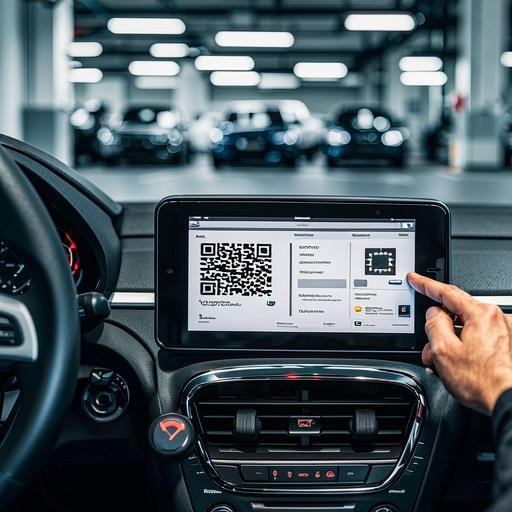
QR codes have evolved beyond pandemic necessities into sophisticated engagement tools across Western retail, powered by versatile QR code generator solutions. European boutiques now embed them in window displays for after-hours virtual browsing, while US supermarkets link them to USDA-grade sourcing details—tapping into growing consumer demands for provenance transparency. This silent tech addresses key cultural friction points: Northern Europeans value the efficiency of scan-to-pay systems (often created with a free dynamic QR code generator) reducing queue times, whereas Mediterranean markets use them for multilingual product storytelling. Crucially, adoption rates surged when retailers shifted from transactional scans to experiential interactions—like scanning a coffee bag with a custom QR code with logo to reveal Brazilian farm interviews.
Data-Driven Adoption Patterns
Recent industry reports show 78% of UK fashion retailers now feature QR-enabled inventory tags, dynamically adjusting pricing based on real-time demand analytics—a tactic that boosted off-peak sales by 19% in trial runs. In Germany, 62% of department stores deploy scannable shelf tags that trigger personalized promotions via loyalty apps, demonstrating higher redemption rates than email offers. Meanwhile, North American data reveals QR-driven returns have reduced processing costs by 34% through automated systems, particularly for electronics retailers where buyers scan QR code for WhatsApp link to initiate exchanges. Privacy remains paramount though, with 81% of EU consumers preferring ephemeral QR sessions that don't require app downloads or data sharing.
Strategic Implementation Framework
Forward-thinking retailers now architect QR ecosystems with three-layer integration:
- Primary touchpoints for core functions (payment/returns via QR code generator for free)
- Secondary discovery layers (product education/DIY tutorials with free dynamic QR code generator tools)
- Tertiary community builders (user-generated review portals accessible via QR code for WhatsApp link)
A downtown Copenhagen concept store exemplifies this by weaving scannable elements into physical storytelling—scanning a furniture tag might launch an artisan workshop video alongside sustainable forestry certifications. Crucially, success hinges on contextual placement: QR codes near US checkout counters drive 3x more loyalty sign-ups than aisle placements, while French beauty retailers see higher engagement when codes (created as a custom QR code with logo) accompany ingredient explanations rather than price tags.
As physical-digital boundaries blur, these unassuming squares—powered by versatile Generator Kode QR tools—are becoming retail's most versatile connective tissue.