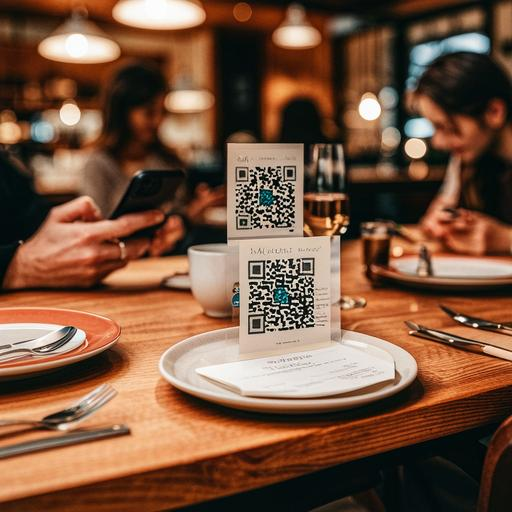
The humble QR code, once a niche curiosity in the West perceived as overly complex or even slightly suspicious, has undergone a remarkable cultural and commercial metamorphosis. Its journey from obscurity to ubiquity reflects a fascinating intersection of necessity, technological adaptation, and evolving consumer behavior, fundamentally reshaping transactions and interactions across Europe and North America. Today, tools like a QR code generator have made creating and deploying these codes easier than ever, fueling their widespread adoption.
Pandemic: The Unlikely Catalyst
Pre-pandemic, QR adoption in Western markets lagged significantly behind Asian counterparts. Hesitations stemmed from privacy concerns ("Why does my coffee need to scan me?"), perceived friction compared to NFC payments, and a simple lack of compelling everyday use cases beyond marketing experiments. The cultural touchpoint of "needing to download a separate app" felt like an unnecessary barrier.
However, the health crisis acted as an unprecedented catalyst. Overnight, touchless interactions became paramount. Physical menus vanished from restaurants across New York, London, and Berlin, replaced by codes on tables. Event ticketing shifted predominantly to digital codes scanned at entrances. Contact tracing initiatives, while varying in implementation and success, further normalized the act of scanning.
Revolutionizing Commerce and Culture
This normalization unlocked vast potential within digital trade. Physical marketing materials – posters in subway stations, product packaging in supermarkets, magazine ads – transformed into dynamic gateways. A scan could lead to:
- Immersive product experiences and instant e-commerce checkout
- Targeted promotions blending offline/online commerce ("phygital" experiences)
- Self-checkout solutions powered by free dynamic QR code generator tools
Businesses leverage these tools to create trackable, editable codes without upfront costs. Retailers particularly benefit through streamlined logistics and real-time inventory management.
Cultural Integration and Future Outlook
Culturally, QR codes facilitate deeper engagement: scanning a custom QR code with logo on a historical landmark pulls up archival footage; codes in art galleries link to artist interviews; concert posters lead directly to ticket purchases.
Even social interactions benefit—sharing a QR code for WhatsApp link connects contacts instantly. Looking ahead, QR technology will further transform loyalty programs, supply chain transparency, and authentication protocols. Accessible tools like a QR code generator for free ensure this technology remains central to Western commerce and culture.
For businesses and individuals alike, mastering QR technology—whether through a Generator Kode QR or advanced tracking solutions—will remain key to staying ahead in an increasingly connected world.